
This page is the main index of all VPN research published by Trusted VPN Reviews.
We independently test VPN services using real devices, real locations, and real internet connections. Our work includes hands-on VPN testing, country-specific guides, performance analysis, comparisons, and clear explanations written for everyday users.
Unlike many VPN review websites, our rankings and recommendations are based on documented testing methods and measured results. We do not rank VPNs based on payments, sponsorships, or brand ownership.
This page is designed to help you find reliable VPN information without guessing. Instead of reading dozens of unrelated articles, you can use the sections below to follow a clear path based on your situation.
You can use this page to find VPN advice based on:
- the country you live in or plan to visit
- what you want to do online, such as streaming, gaming, or travel
- how important privacy and security are to you
- whether you are new to VPNs or more experienced
If you are looking for general recommendations, you may want to start with our Best VPN Services rankings. If location matters more, begin with our VPNs by Country research.
All guides linked from this page are updated regularly to reflect changes in VPN apps, network conditions, and privacy policies.

VPNs by Country
VPNs do not work the same way in every country.
Internet rules, censorship systems, and local laws can all affect whether a VPN connects, how fast it runs, and which websites it can access. In some countries, VPN traffic is blocked or heavily restricted. In others, VPNs work but may be slowed down or monitored.
Because of this, a VPN that works well in one country may fail completely in another. General VPN recommendations are often not enough when location matters.
Our country guides focus on real-world conditions. We test VPNs from inside each region and document how they perform on local networks. Each guide explains what users can expect before they connect.
Country and regional VPN guides on this site cover:
- whether VPNs are blocked, restricted, or allowed
- connection reliability and speed performance
- privacy and surveillance risks
- which VPN features matter most in that location
Country & Regional VPN Research
| Region | Guide | Focus |
|---|---|---|
| All Countries | VPNs by Country | Country-specific VPN guidance organised in one place |
| Europe | VPNs for Europe | Privacy laws, ISP behaviour, speeds, and streaming access |
| East Asia | VPNs for East Asia | Censorship systems, VPN blocking, and reliability testing |
| South Asia | VPNs for South Asia | Legal restrictions, performance limits, and access issues |
| Southeast Asia | VPNs for Southeast Asia | Country-by-country VPN access and speed differences |
| Middle East | VPNs for the Middle East | VPN use on restricted and monitored networks |
| North America | VPNs for North America | VPN performance, privacy, and streaming access |
| Central America | VPNs for Central America | VPN access, speeds, and regional network conditions |
| South America | VPNs for South America | Country-specific VPN performance and access issues |
| Restricted Regions | VPNs for Restricted Countries | VPNs tested where blocking and censorship are common |
If location is the most important factor for you, this is the best place to start. These guides are written to help you avoid VPNs that do not work reliably in your region.
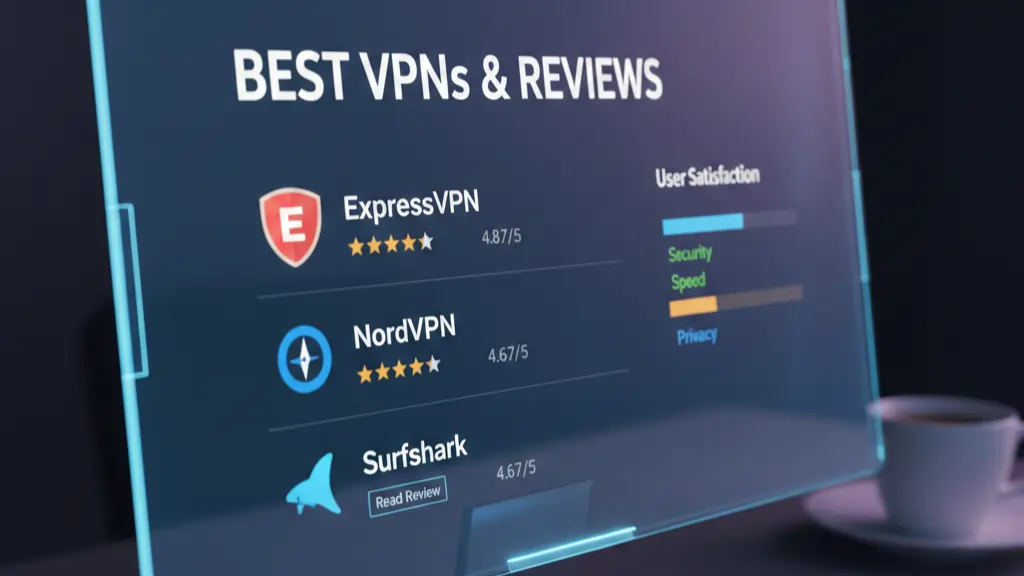
Best VPNs & Reviews
Not all VPN services are built for the same purpose.
Some VPNs focus on speed. Others focus on privacy, app quality, or long-term reliability.
Because of this, we do not rely on a single list or a single score.
Instead, we test each VPN using the same methods and publish detailed reviews explaining
how each service performs in real-world use.
If you want to understand how a VPN works before choosing it, start with the full reviews below.
Each review explains strengths, weaknesses, and who the service is best suited for.
In-Depth VPN Reviews
| VPN Service | Review | Best For |
|---|---|---|
| NordVPN | Read NordVPN Review | Speed, security, and advanced features |
| Surfshark | Read Surfshark Review | Budget users and unlimited devices |
| IPVanish | Read IPVanish Review | Device control and US-based infrastructure |
| ExpressVPN | Read ExpressVPN Review | Reliability and ease of use |
| PureVPN | Read PureVPN Review | Long-term plans and protocol flexibility |
| Mullvad | Read Mullvad Review | Privacy-focused and anonymous use |
If you already know which VPN you want and are ready to visit the provider’s website,
you can use the official links below.
Official VPN Websites
| VPN Service | Provider Website |
|---|---|
| NordVPN | Visit NordVPN Website |
| Surfshark | Visit Surfshark Website |
| IPVanish | Visit IPVanish Website |
| ExpressVPN | Visit ExpressVPN Website |
| PureVPN | Visit PureVPN Website |
All outbound links are provided for convenience.
Our reviews remain independent and are not influenced by affiliate partnerships.

Privacy, Security & Trust
A VPN is meant to protect your data. If a service collects logs, leaks information, or uses weak security, it can create new risks instead of reducing them.
For this reason, privacy and security are central to how we test and review VPNs. We do not rely on marketing claims. We examine how each VPN is built, how it handles user data, and how it performs under real-world conditions.
Our privacy and security reviews focus on areas that directly affect users, including:
- whether a VPN keeps activity or connection logs
- how user data is handled and stored
- encryption standards and protocol support
- independent audits and transparency reports
- how VPNs behave over time as apps and policies change
We also publish our testing methods so readers can understand how conclusions are reached. This allows anyone to review our process, not just the final rankings.
Privacy & Security Research
| Topic | What You’ll Learn |
|---|---|
| Best VPNs for Privacy | VPNs tested for strong privacy protections and minimal data collection |
| No-Log VPNs Explained | What no-log policies really mean and how we evaluate them |
| VPN Testing Methodology | How we test VPN speed, privacy, security, and reliability |
| Transparency Report | How testing results are reviewed, updated, and verified |
| Audits & Security Checks | Independent audits and external security validation |
Privacy standards and VPN policies can change without notice. Because of this, we regularly revisit and retest services to ensure our reviews reflect current behaviour, not outdated claims.
If privacy is your main concern, this section is essential reading before choosing a VPN.

Streaming & Live Sports
Streaming services actively try to block VPN connections.
Many VPNs claim to work with streaming platforms, but real-world results often differ. Some VPNs connect one day and fail the next. Others work only on certain devices or regions.
Because of this, we test VPNs directly with major streaming services and live sports platforms. Our tests focus on whether a VPN connects reliably, maintains stable speeds, and continues working over time.
Streaming tests on this site are designed to answer practical questions, including:
- whether a VPN can access specific streaming platforms
- how often connections fail or are blocked
- whether speeds are stable enough for HD and live viewing
- how VPNs perform on different devices, such as phones and streaming boxes
Live sports streaming places even higher demands on a VPN. Low latency, stable connections, and consistent access are essential when watching live events.
Streaming & Sports VPN Research
| Use Case | Guide | Focus |
|---|---|---|
| General Streaming | Best VPNs for Streaming | Overall streaming reliability across multiple platforms |
| Netflix | VPNs for Netflix | Access testing, speed stability, and region support |
| Prime Video | VPNs for Prime Video | Reliability and long-term access testing |
| Disney+ | VPNs for Disney+ | Streaming performance and compatibility |
| BBC iPlayer | VPNs for BBC iPlayer | UK access and consistency testing |
| Live Sports | VPNs for Live Sports | Stability, latency, and live-event performance |
Streaming platforms frequently update their blocking systems. For this reason, streaming-related guides are revisited and retested regularly to reflect current performance.
If streaming or live sports is your main reason for using a VPN, start with the guides above before choosing a service.
Gaming & Performance
Online gaming places very different demands on a VPN than browsing or streaming.
Games rely on low delay, stable connections, and predictable network behaviour. If a VPN increases latency, causes packet loss, or drops connections, it can make games unplayable.
Because of this, we test VPNs specifically for gaming performance. Our tests focus on how VPNs behave during real gaming sessions, not just short speed tests.
Gaming and performance testing on this site looks at:
- latency (ping) changes when connected to a VPN
- connection stability over long play sessions
- packet loss and sudden disconnects
- NAT behaviour and multiplayer compatibility
- performance differences across VPN protocols
Some VPNs perform well for gaming when configured correctly. Others add too much overhead or behave unpredictably on gaming networks. Our guides are written to help you understand these differences before choosing a service.
Gaming & Performance Research
| Topic | Guide | Focus |
|---|---|---|
| Gaming VPNs | Best VPNs for Gaming | Overall gaming performance across major platforms |
| Low Latency | Low-Ping VPNs | VPNs tested for minimal ping increase |
| Console Gaming | VPNs for Console Gaming | Performance on PlayStation, Xbox, and similar systems |
| Game Types | VPNs for FPS Games | Fast-reaction gaming and stability testing |
| Protocols | VPN Protocols for Gaming | How protocol choice affects latency and performance |
Gaming networks and VPN apps change frequently. For this reason, gaming-related guides are updated regularly to reflect current performance and real-world behaviour.
If gaming performance is your main concern, this section will help you avoid VPNs that increase lag or cause connection issues.

Devices, Platforms & Setup
VPN performance can change depending on the device you use.
A VPN that works well on a desktop computer may behave differently on a phone, streaming device,
or router. App quality, operating system limits, and hardware all play a role in how a VPN performs.
Because of this, we test VPNs across multiple devices and platforms.
Our guides explain not only which VPNs work best on each device, but also what to expect
during setup and everyday use.
Device and platform testing on this site focuses on:
- app stability and ease of use
- performance differences between devices
- feature availability across platforms
- setup complexity and common issues
- long-term reliability after app updates
For users who want to protect more than one device at once, we also test VPNs on routers.
Router-level VPNs can secure an entire network, but setup and performance depend heavily
on hardware and configuration.
Devices & Platform Guides
| Device or Platform | Guide | Focus |
|---|---|---|
| Android | VPNs for Android | App performance, battery impact, and stability |
| iPhone | VPNs for iPhone | iOS performance, privacy controls, and ease of use |
| Firestick | VPNs for Firestick | Streaming device compatibility and setup |
| Routers | VPN Routers | Whole-network protection and performance |
| Advanced Routers | VPN Setup on Wi-Fi 7 Routers | High-speed routers and advanced configurations |
| Public Networks | VPNs for Public Wi-Fi | Security on shared and untrusted networks |
If device compatibility or setup ease is important to you, start with the guides above.
They are written to help you avoid VPNs that perform well on paper but fail in everyday use.
VPN Comparisons & Tools
Choosing a VPN is easier when differences are clear.
Many VPNs advertise similar features, but real differences often appear only when services are tested side by side. Small changes in speed, privacy policies, or app behaviour can make a big difference in daily use.
Our comparison guides and tools are built to make these differences easy to see. We compare VPNs using the same testing standards so results remain fair and consistent.
VPN comparisons on this site focus on:
- measured speed and connection stability
- privacy policies and logging practices
- supported features and limitations
- app quality across devices
- long-term reliability after updates
Instead of relying on short summaries, our comparisons explain why one VPN performs better than another and where trade-offs exist.
VPN Comparison Guides & Tools
| Comparison Type | Guide or Tool | Purpose |
|---|---|---|
| Comparison Tool | VPN Comparison Table | Side-by-side comparison of features and performance |
| Direct Comparisons | NordVPN vs ExpressVPN | Detailed comparison using the same test data |
| Direct Comparisons | NordVPN vs Mullvad | Privacy-focused comparison and trade-offs |
| Direct Comparisons | NordVPN vs Surfshark | Feature set, pricing, and performance differences |
| Infrastructure Testing | 10Gbps Infrastructure Comparison | High-capacity server performance testing |
If you are deciding between two specific VPNs, comparison guides are often the fastest way to understand real differences before choosing a service.
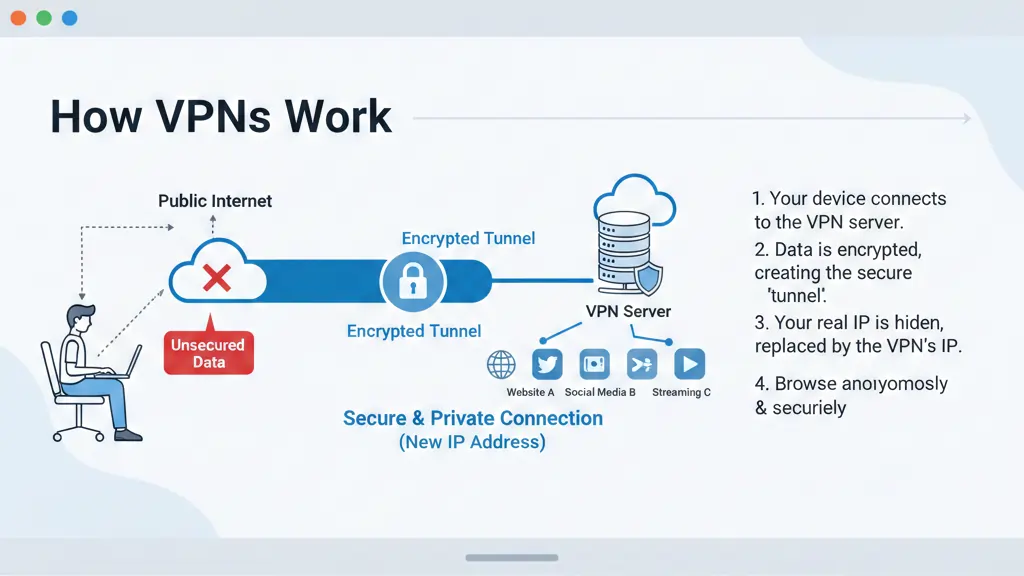
How VPNs Work
If you are new to VPNs, this is the best place to start.
Many VPN guides assume technical knowledge and use complex language. Our beginner guides are written to explain how VPNs work using clear terms and real examples.
Understanding the basics makes it easier to choose the right VPN and avoid common mistakes, such as using the wrong settings or trusting unsafe services.
Beginner and learning guides on this site focus on:
- what a VPN does and when it is useful
- how VPN connections protect your data
- what VPNs can and cannot do
- common problems and how to fix them
- how to use a VPN safely on public networks
These guides are written for readers with no technical background. They are designed to build understanding step by step, without unnecessary detail.
Beginner VPN Guides
| Guide | What It Explains |
|---|---|
| What Is a VPN? | A clear explanation of what VPNs are and how they work |
| VPNs Explained | How VPN connections work step by step |
| VPN Troubleshooting | Fixing common VPN problems and connection issues |
| VPNs for Public Wi-Fi | Staying safe on shared and untrusted networks |
If you are unsure which VPN guide to read first, begin with the basic explanation and then move on to use-case guides that match how you use the internet.
Future VPN Technology & Ongoing Research
Internet security does not stand still.
New tracking methods, stronger surveillance tools, and changes in computing technology continue to shape how privacy tools work. VPNs that are effective today may need to adapt to remain secure in the future.
Because of this, our research does not stop at current VPN performance. We also study emerging technologies and long-term risks that could affect VPN security, encryption strength, and user privacy.
Future-focused research on this site looks at:
- new encryption standards and how they work
- long-term privacy risks and data retention concerns
- how VPN providers prepare for future threats
- whether current VPN technology can adapt over time
This research is designed to help readers understand not just which VPNs work today, but which services are better prepared for future changes.
Future & Advanced VPN Research
| Topic | Guide | Focus |
|---|---|---|
| Post-Quantum VPNs | Post-Quantum VPN Guide | How future computing may affect VPN encryption |
| Quantum Encryption | Quantum Encryption Explained | New encryption methods and what they mean for privacy |
| Preparedness | Quantum-Ready VPN Checklist | How VPNs prepare for future security challenges |
| Protocol Research | VPN Protocol Comparisons | Strengths and trade-offs of modern VPN protocols |
This section is updated as new research becomes available. It is intended for readers who want a deeper understanding of where VPN technology is heading and how those changes may affect privacy and security.
If you are choosing a VPN for long-term use, future readiness is an important factor to consider alongside current performance.

Our Commitment to Independent VPN Research
Trusted VPN Reviews exists to provide clear, honest VPN information based on evidence. Every guide on this site is written to help readers make informed decisions without pressure, hype, or misleading claims.
We do not accept paid placements, owned rankings, or sponsored positions. VPN services are evaluated using the same testing standards, and results are published whether they are positive or negative.
VPN apps, networks, and privacy policies change over time. For this reason, our research is ongoing. We regularly revisit VPN services, retest performance, and update guides to reflect current behaviour rather than outdated results.
If you are looking for reliable VPN advice grounded in real-world testing, this page is the best place to begin.