
Choosing a VPN in 2026 is not just about picking the most popular name. Many VPN companies promise fast speeds, total privacy, and strong security. We test those claims to see what is actually true.
At TrustedVPNReviews, we use real-world testing — not marketing claims — to evaluate VPN services. We measure privacy protection, speed stability, censorship resistance, and long-term value before giving any ranking.
This page explains how we test and score VPNs.
If you want to see the current rankings and full recommendations, visit our main guide:

Our VPN Scoring System
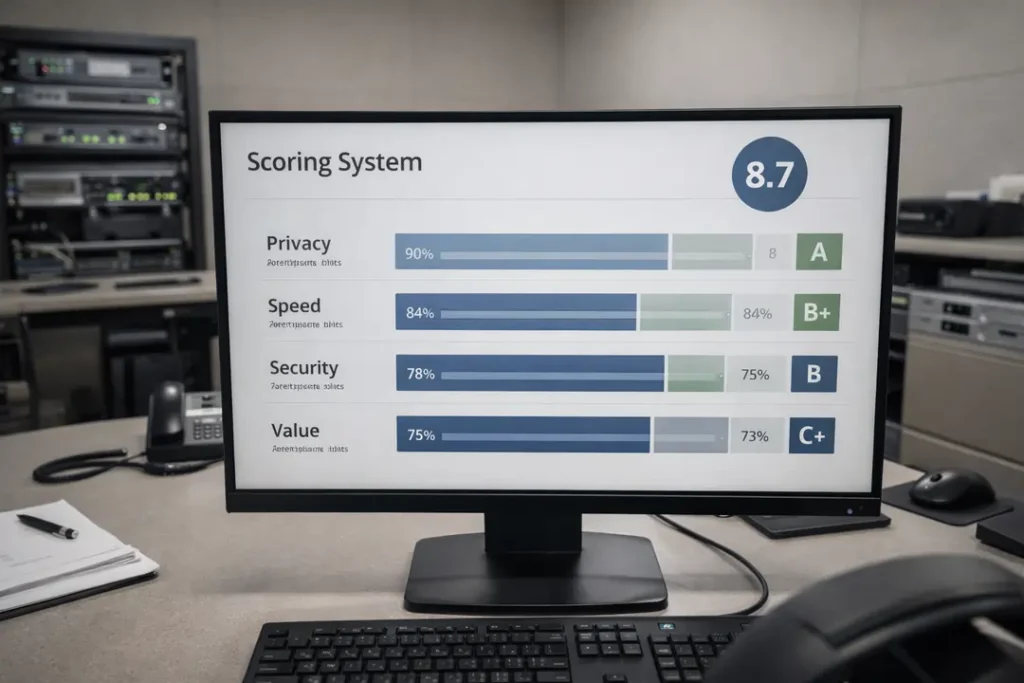
We use a weighted scoring system to rank VPN services. This means some categories matter more than others.
Privacy is the most important factor. Speed and censorship resistance also play a major role. Marketing claims and paid promotions do not affect our scores.
| Category | Weight |
|---|---|
| Privacy & Logging | 30% |
| Speed & Stability | 20% |
| Censorship Resistance | 15% |
| Security Features | 15% |
| Transparency & Audits | 10% |
| Price-to-Value | 10% |
This system helps us stay consistent. A VPN cannot rank highly if it performs poorly in privacy or real-world testing.
If you want to see the final rankings based on this scoring model, visit our full guide:


1. Privacy & Logging (30%)
Privacy is the most important part of any VPN. If a VPN cannot protect your data, nothing else matters.
We carefully examine how each provider handles user data, encryption, and server infrastructure. A VPN must prove that it protects users — not just claim it.
What We Check
- No-Logs Policy: Does the company clearly state that it does not store browsing history, IP addresses, or connection records?
- Independent Audits: Has the no-logs policy been verified by a third-party security firm?
- RAM-Only Servers: Does the provider use servers that erase all data when rebooted?
- Modern Encryption: Does the VPN support advanced encryption standards, including post-quantum key exchange?
- Jurisdiction: Is the company based in a country without mandatory data retention laws?
Why This Matters
Some VPN companies advertise “total privacy,” but still collect connection metadata. Others rely on outdated encryption methods.
In 2026, strong privacy means:
- Independent verification through audits
- RAM-only infrastructure
- Modern encryption protocols
- Clear legal transparency
We explain post-quantum encryption in detail here:
You can also see our audit verification standards here:
How Privacy Affects Rankings
If a VPN fails an audit, hides ownership information, or stores connection logs, it loses significant points — even if it performs well in speed tests.
Privacy carries 30% of the total score for a reason. Without verified privacy protections, a VPN cannot rank highly on our platform.

2. Real-World Speed & Stability (20%)
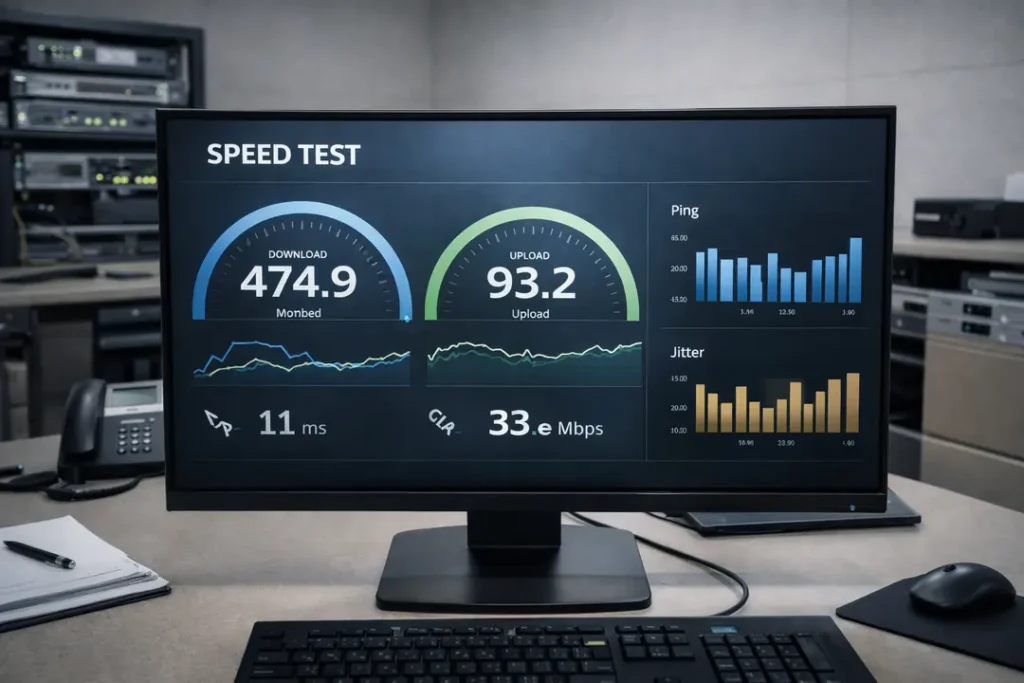
A VPN should protect your privacy without making your internet unusable. Speed alone is not enough. Stability matters just as much.
Many VPN providers advertise “blazing fast speeds,” but raw download numbers do not tell the full story. We measure real-world performance under different conditions to see how a VPN actually behaves.
What We Measure
- Download Speed: How much bandwidth is retained compared to the base connection.
- Upload Speed: Important for video calls and file sharing.
- Ping (Latency): The delay between your device and the server.
- Jitter: Stability of connection timing, critical for gaming.
- Performance Under Load: How the VPN handles congestion during peak hours.
How We Test
We conduct speed testing on high-speed fiber connections using both local and international servers. Tests are repeated multiple times to remove anomalies.
We also test:
- Different protocols such as WireGuard, OpenVPN, and Lightway
- Performance across continents
- Speed consistency over extended sessions
You can see full benchmark data here:
We also explain why VPNs slow down connections here:
Why Stability Matters
High speed means little if the connection drops or becomes unstable. For streaming and gaming, jitter and packet consistency are often more important than maximum download speed.
VPNs that show strong speed retention and stable latency score higher in our rankings.

3. Censorship Resistance (15%)
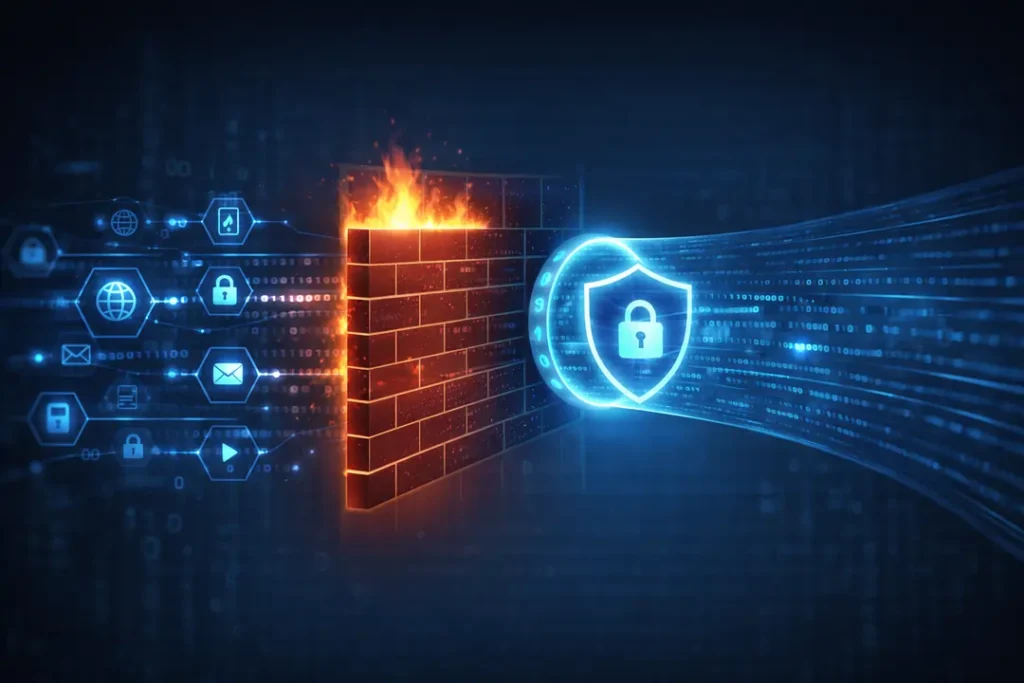
In some countries, governments actively block VPN traffic. A VPN must do more than encrypt data — it must avoid detection.
Modern firewalls no longer just block known VPN protocols. Many now use advanced traffic analysis systems that examine patterns, timing, and behavior.
What We Test
- Deep Packet Inspection (DPI) Resistance: Can the VPN bypass advanced filtering systems?
- Obfuscation Technology: Does the VPN disguise its traffic to look like normal internet activity?
- Connection Stability: Does the VPN stay connected under restricted conditions?
- Protocol Adaptability: Can it switch protocols automatically if blocked?
Real-World Country Testing
We analyze VPN performance in restrictive environments and compare results across regions.
Examples of our country-specific research:
Why This Matters in 2026
Censorship technology has improved significantly. Some systems now use AI-based traffic analysis instead of simple protocol blocking.
A VPN that works in open countries may fail in restricted networks. Providers that demonstrate strong bypass performance receive higher scores in this category.
If you want to see providers specifically tested in restrictive environments, visit:

4. Security Features (15%)
A VPN must do more than encrypt your connection. It must protect you if something goes wrong.
We test whether security features work properly under real conditions — not just whether they appear in marketing materials.
Key Security Tools We Test
- Kill Switch: Automatically blocks internet access if the VPN connection drops.
- DNS Leak Protection: Prevents your internet provider from seeing which websites you visit.
- Modern Protocol Support: Includes WireGuard or other secure, fast connection methods.
- Multi-Hop Routing: Routes traffic through more than one server for additional privacy (if offered).
- IPv6 Leak Protection: Ensures no traffic bypasses the VPN tunnel.
Protocol Testing
Different VPN protocols affect speed, security, and reliability. We compare how providers implement modern protocols and whether they are configured correctly.
You can read our protocol comparison here:
We also analyze advanced encryption upgrades here:
Stress Testing
We simulate connection drops and unstable networks to see if security features activate correctly.
If a kill switch fails or DNS leaks appear during testing, the VPN loses points — even if its speed is strong.
Security tools must function reliably under pressure. If they do not, the provider cannot score highly in this category.
5. Transparency & Independent Audits (10%)
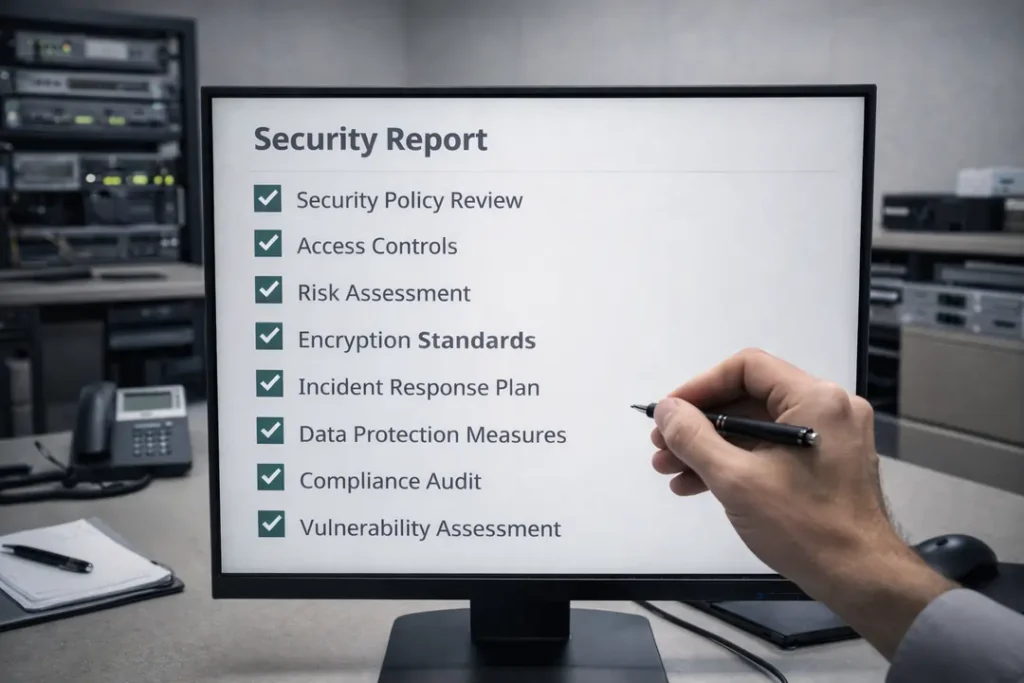
Trust cannot be based on marketing claims. It must be verified.
In 2026, serious VPN providers publish independent security audits and clearly explain how their systems work. We examine whether companies are open about their policies, ownership, and past security events.
What We Review
- Independent No-Logs Audits: Has a trusted third-party firm verified the company’s privacy claims?
- Public Security Reports: Does the provider publish audit summaries or transparency reports?
- Ownership Disclosure: Is company ownership clearly stated?
- Breach Response History: If an incident occurred, was it handled responsibly and publicly explained?
Why This Matters
Any company can claim it does not log user data. Independent audits help verify those claims.
VPNs that refuse audits, hide company leadership, or avoid transparency lose points in this category.
You can see our full audit evaluation process here:
VPN Authority Lab-Tested Audits 2026
Our complete lab transparency framework is explained here:
VPN Lab Methodology Transparency Report
How Transparency Affects Rankings
Transparency alone will not make a VPN rank first. However, a lack of transparency can prevent a provider from ranking highly — even if its speed and features are strong.
Clear documentation and third-party verification increase trust and improve overall scoring.
6. Price-to-Value (10%)
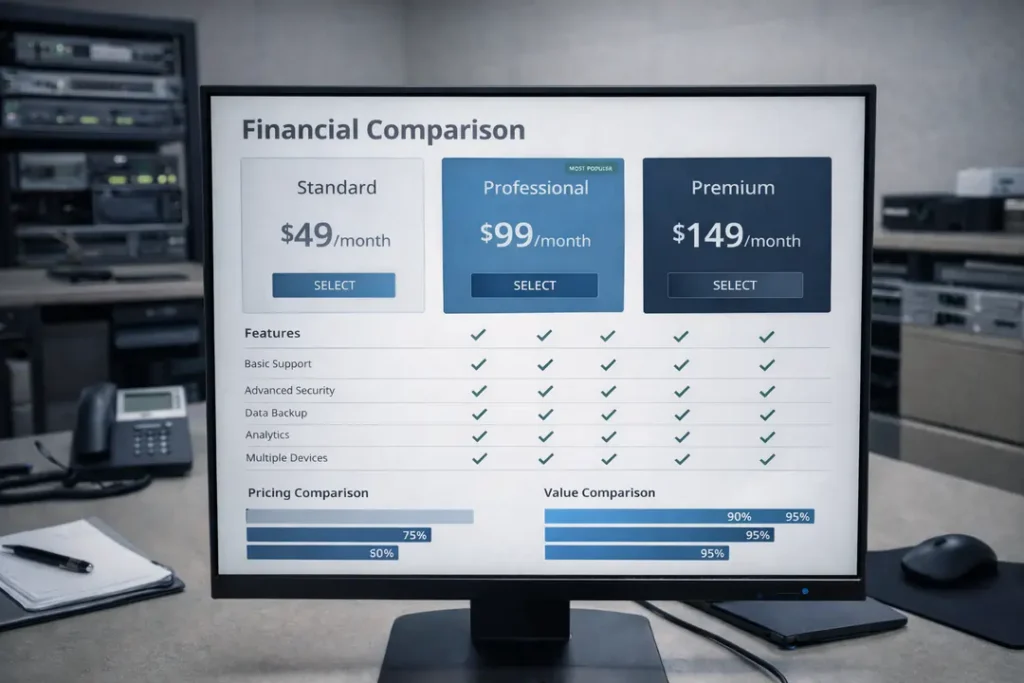
Price matters — but the cheapest VPN is not always the best choice.
We evaluate whether a VPN delivers strong performance, privacy, and reliability for the price it charges. A low introductory offer does not automatically mean good value.
What We Consider
- Introductory vs Renewal Pricing: Does the price increase significantly after the first term?
- Feature Set: Are advanced tools included, or locked behind higher tiers?
- Refund Policy: Is the money-back guarantee clear and easy to use?
- Long-Term Cost: How does the total cost compare over 1–3 years?
Why This Matters
Some VPNs advertise very low starting prices but increase renewal rates sharply. Others offer stable long-term pricing with stronger features included.
We calculate value based on performance and transparency — not marketing discounts.
If you are looking specifically for lower-cost options, see:
To compare overall rankings and pricing side by side, visit:
How Price Affects Rankings
Price accounts for 10% of the total score. A VPN cannot rank highly based on cost alone. However, strong performance combined with fair long-term pricing improves overall value.
Our goal is to identify VPNs that offer consistent performance and privacy without hidden long-term costs.
How We Test VPNs in Real-World Use
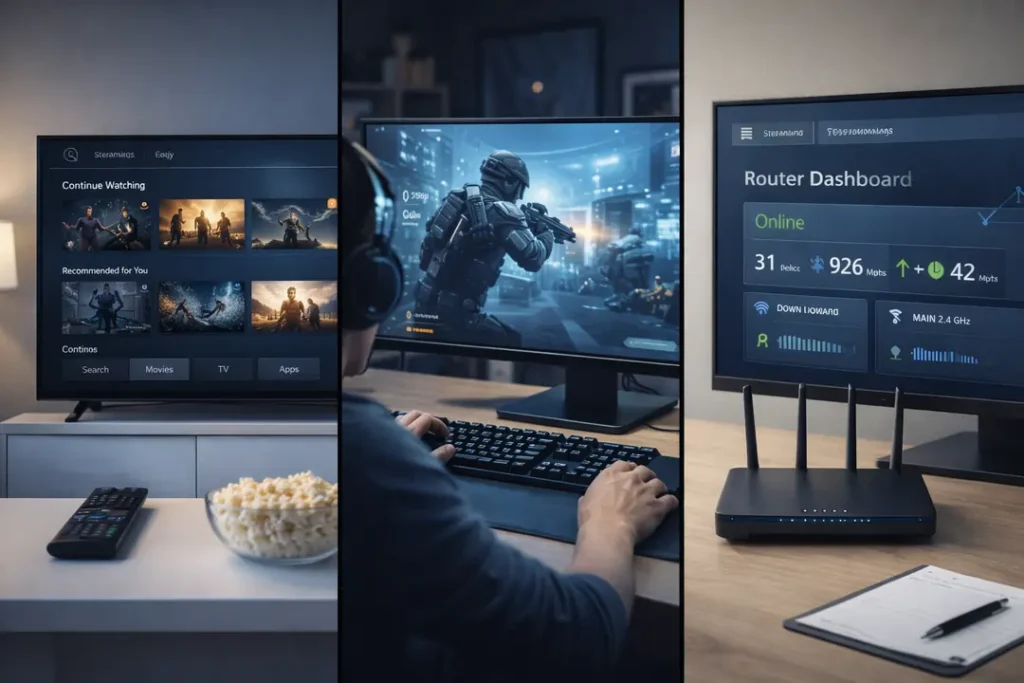
A VPN must perform well in everyday situations — not just in controlled lab tests.
We evaluate how each provider handles streaming, gaming, router setups, travel networks, and multi-device households.
Streaming Performance
Streaming platforms actively block VPN traffic. We test whether providers can reliably access popular services without constant buffering or error messages.
- Connection stability on Netflix
- BBC iPlayer detection resistance
- Disney+ and Prime Video reliability
- 4K and 8K playback stability
Streaming research pages:
Gaming Performance
For gaming, speed is not enough. Stability and low jitter are critical.
- Ping consistency in FPS titles
- Packet stability under load
- Server congestion impact
Gaming research pages:
Router & Multi-Device Testing
Modern households use many connected devices. We test router compatibility and performance across multiple devices at once.
- Router firmware support
- Smart TV compatibility
- Mobile battery usage
- Connection limits
Related guides:
Restricted Network Testing
Some networks block VPN traffic entirely. We test how providers perform in restricted environments and under aggressive filtering systems.
Examples:
Real-world reliability strongly affects overall rankings.

What Changed in VPN Technology in 2026?
The VPN industry has changed significantly in recent years. Encryption alone is no longer enough. Modern VPNs must adapt to stronger censorship systems, higher internet speeds, and future security threats.
1. Post-Quantum Encryption
Security experts now assume that encrypted traffic can be stored today and decrypted later when quantum computers become powerful enough. This risk is often called “harvest now, decrypt later.”
To prepare for this, some VPN providers now support post-quantum key exchange methods designed to protect long-term privacy.
Learn more here:
2. AI-Based Censorship Detection
In restrictive regions, firewalls now analyze traffic patterns instead of just blocking known VPN protocols.
This means VPNs must use advanced obfuscation systems to disguise traffic as normal internet activity.
Providers that adapt to modern filtering systems score higher in our testing.
3. 10Gbps Server Infrastructure
High-speed server upgrades allow better performance for:
- 4K and 8K streaming
- Large file downloads
- Competitive gaming
We measure how well providers handle high-bandwidth usage under real conditions.
4. RAM-Only Server Architecture
Traditional servers store data on hard drives. Modern VPN providers now use RAM-only servers, which erase all data when restarted.
This reduces the risk of stored information being accessed during server seizures or security incidents.
Why This Matters
A VPN that was strong five years ago may not meet modern security standards today. Our rankings reflect current technology — not outdated marketing claims.
For live rankings based on today’s standards, visit:
Why Our VPN Rankings Change Over Time
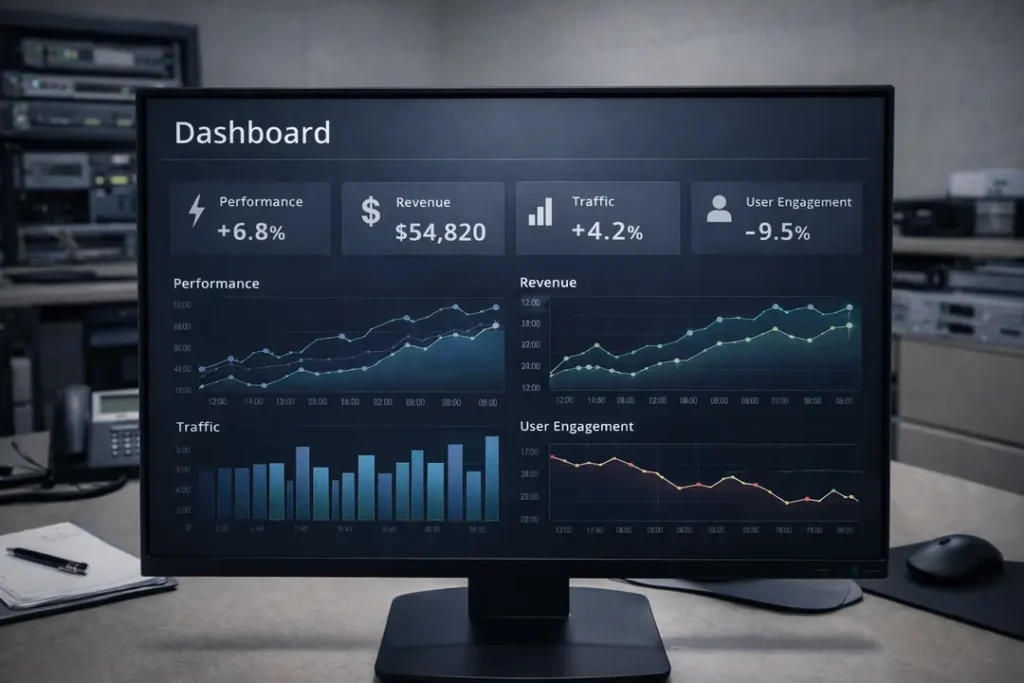
VPN rankings are not permanent. Technology, security standards, and company policies change.
We regularly update our evaluations to reflect new audits, infrastructure upgrades, pricing changes, and performance shifts.
Common Reasons Rankings Change
- New Security Audits: Independent reports may confirm or challenge a provider’s privacy claims.
- Infrastructure Improvements: Server upgrades or expansion into new countries can improve performance.
- Protocol Updates: Adoption of modern encryption methods can strengthen security scores.
- Pricing Changes: Renewal costs or plan restructuring can affect value ratings.
- Ownership or Policy Changes: Transparency and company structure matter in long-term trust.
When these factors change, we adjust scores accordingly. A provider that ranked highly last year may move up or down based on new data.
This ensures our recommendations stay accurate and relevant.
To see the current rankings based on the latest testing cycle, visit:
Final Summary: How We Evaluate VPN Services
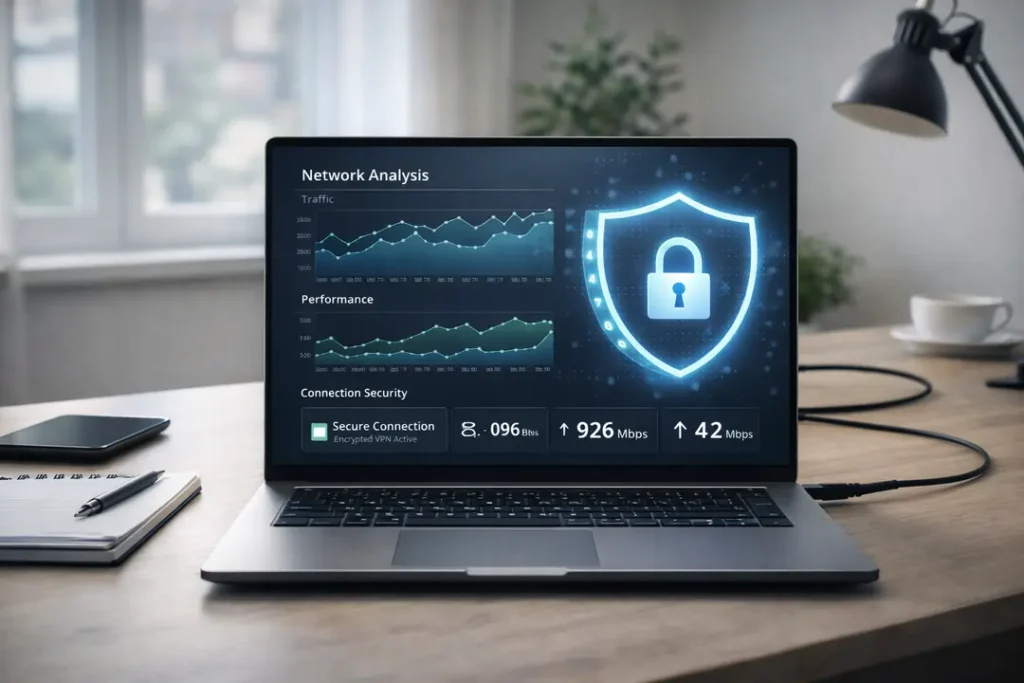
Choosing a VPN in 2026 requires more than trusting advertisements. Modern VPN services must protect privacy, maintain strong speeds, resist censorship, and provide long-term value.
Our rankings are based on:
- Verified privacy architecture
- Independent audit history
- Real-world speed and stability testing
- Censorship resistance performance
- Security feature reliability
- Long-term pricing transparency
We do not rank VPNs based on sponsorships or marketing claims. Each score reflects measurable testing and structured evaluation.
This page explains how we evaluate providers.
If you are ready to see the current top-ranked VPN services — including feature comparisons and updated pricing — visit our main guide:
That page contains the latest rankings based on the full testing framework described above.